Why They Didn’t Hire You: What We Learned from Lost Consultations
- Morgan Szarka
Key Takeaways
- Lost consultations can reveal gaps in your intake process, communication, and overall client experience.
- Generating leads is only half the battle. Improving law firm client conversions requires understanding why prospective clients choose to hire your firm or walk away.
- Tracking lost consultations can help you make smarter law firm marketing decisions and identify opportunities for growth.
You’re Getting the Leads, So Why Aren’t They Hiring Your Firm?
Your law firm is generating leads, phone calls are coming in, and consultations are being scheduled. But not everyone who schedules a consultation becomes a client. So, where are things falling through?
First, it’s important to recognize that hiring an attorney is a major financial and personal decision. Especially in divorce and family law, prospective clients may spend weeks or even months researching their options, comparing attorneys, and deciding who they feel comfortable trusting with their case. It often takes multiple touchpoints before someone is ready to sign.
This is especially true with certain marketing channels. For example, we’ve seen leads generated through paid social media take six months to a year or longer to eventually become clients. Just because someone doesn’t hire your firm right away doesn’t mean your law firm marketing efforts aren’t working.
7 Common Reasons Prospective Clients Don’t Hire Your Firm
Understanding why someone doesn’t hire your firm means looking at the entire client journey. From their first interaction with your law firm’s website to their conversation with your intake team, every touchpoint can influence their decision.
1. They Couldn’t Reach Your Firm
Imagine someone going through a difficult divorce. They’re finally ready to speak with an attorney, so they call your office. No one answers. They leave a voicemail but don’t receive a call back until the next day. In the meantime, they’ve contacted two other law firms, and one has already scheduled a consultation. When someone reaches out for legal help, timing matters.
How to improve it:
- Track missed calls and how quickly they’re returned.
- Establish clear expectations for responding to new inquiries.
- Make sure calls are covered during busy periods and after hours.
- Train your intake team to ensure prospective clients are receiving timely responses.
Your law firm marketing may generate the initial inquiry, but the efficiency of your firm’s intake process determines what happens next.
2. They Didn’t Understand Your Fees
Legal services are a significant financial commitment. For someone already dealing with the financial uncertainty of divorce, attorney fees can be a major concern.
Sometimes, prospective clients don’t hire a firm because the fees are outside their budget. Other times, they simply don’t understand the value behind the pricing. If a consultation focuses heavily on cost without explaining the services, experience, and support included, the prospective client may walk away feeling that the firm is too expensive. This doesn’t necessarily mean your fees are too high. It may mean your team needs to communicate the value more effectively.
How to improve it:
- Explain your fee structure clearly.
- Help prospective clients understand what services are included.
- Thoroughly explain the value of the service they are paying you for
- Discuss payment expectations early.
- Explain how your firm’s unique experience and approach can benefit their situation.
Improving law firm client conversions is about helping the right prospective clients understand the value of what they’re investing in.
3. The Consultation Didn’t Build Enough Trust
Hiring an attorney is a personal decision. Especially in divorce and family law, prospective clients are often sharing some of the most difficult details of their lives.
They want to feel heard, understood, and confident that their attorney has the experience to guide them through the process. If a consultation feels rushed, overly transactional, or focused entirely on selling legal services, it may leave someone questioning whether your firm is the right choice.
How to improve your consultations:
- Give prospective clients time to explain their concerns.
- Listen carefully before jumping into solutions.
- Explain complicated legal concepts/jargon in understandable language.
- Set realistic expectations about potential outcomes.
- Clearly explain what working with you as an attorney looks like and what value they receive.
“One of the most important things during a consultation is finding a way to make the client feel heard, without losing control of the meeting. The client will forget most of what you say during the consultation, but they will remember how you made them feel for the rest of their lives.”
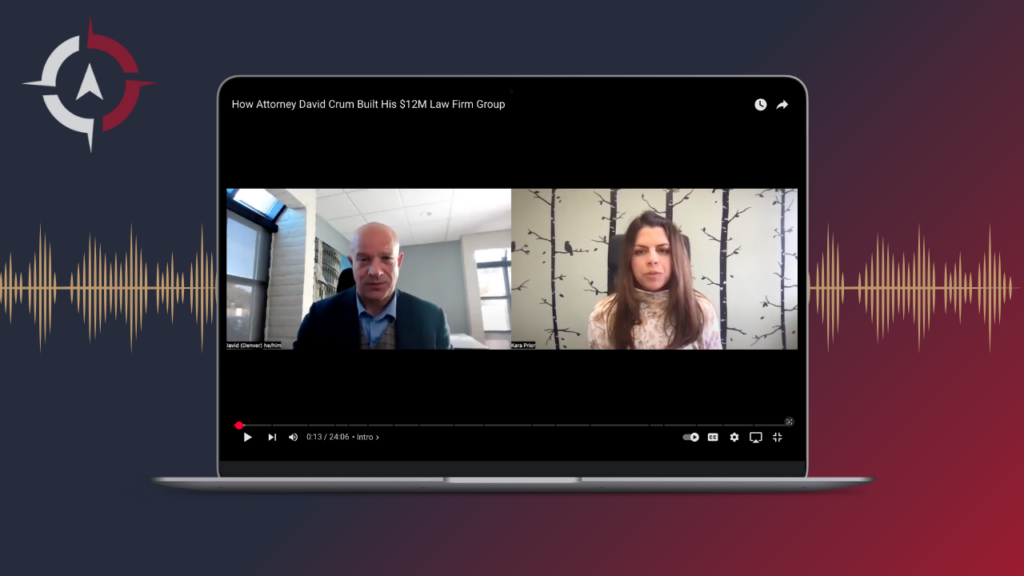
David Crum, Esq. CEO of US Legal Marketing Group & US Legal Groups
4. Your Follow-Up Process Fell Short
Not every prospective client is ready to hire an attorney immediately after a consultation. Some need time to review their finances, discuss the decision with family, or compare their options. Others simply need a little more time to process everything they’ve learned.
Without a consistent follow-up process, these potential clients can easily slip through the cracks.
How to improve your law firm’s CRM and follow-up process:
- Follow up promptly: Reach out shortly after the consultation while your firm is still fresh in the prospective client’s mind.
- Use a consistent email and text follow-up sequence: Create a series of thoughtful emails and text messages that keep your firm top of mind, answer common questions, and provide helpful information as they consider their options.
- Address unanswered questions: Give prospective clients an opportunity to ask questions, clarify fees, and better understand what working with your firm looks like.
- Make the next steps clear: Explain exactly what happens if they decide to move forward, including how to sign an agreement and get started.
- Use your law firm’s CRM to stay organized: Track every inquiry, consultation, follow-up, and communication so no prospective client slips through the cracks.
- Assign follow-up responsibility: Make sure a designated intake person or team is responsible for staying in touch with prospective clients who haven’t made a decision.
A thoughtful follow-up can make a meaningful difference in law firm client conversions. It also shows prospective clients that your firm is thoughtful and genuinely interested in helping them.
5. Another Law Firm Made a Better First Impression
Prospective clients rarely evaluate law firms based on one factor alone. They may compare attorney experience, reviews, communication, pricing, and the overall impression each firm creates. Even if your firm has an excellent reputation, another law firm may communicate its value more effectively.
For example, someone might visit your website and struggle to understand what makes your firm different. Then, they visit a competitor’s website that clearly explains its services, introduces its attorneys, highlights client reviews, and makes scheduling a consultation simple.
How to improve it:
- Clearly explain your practice areas and services.
- Highlight individual attorney experience and what sets your firm apart.
- Have authentic 5-star client reviews on your Google Business page.
- Make contact information and consultation options easy to find.
- Keep your website updated and mobile-friendly.
- Have a strong social media presence for additional channels to research your credibility
Your online presence is often your first opportunity to establish credibility. Strong law firm marketing helps prospective clients understand who you are, what you do, and why they should work with you over the firm down the street. Trust starts forming before someone schedules a consultation. Your website, attorney biographies, reviews, and social media presence all contribute to the impression prospective clients have of your firm.
6. Your Intake Process is Too Complicated
Sometimes, prospective clients don’t hire a law firm because the process feels unnecessarily complicated. Maybe they have to complete a lengthy form, repeat information to multiple people, or wait several days to receive next steps.
How to improve it:
- Keep initial intake forms simple.
- Avoid asking people to repeat information they’ve already provided.
- Clearly explain what information or documents are needed.
- Make scheduling and communication convenient.
- Review your intake process regularly for unnecessary steps.
People contacting a law firm are often already dealing with stressful circumstances. Making the process straightforward can help prevent avoidable lost opportunities.
7. The Leads Aren’t Qualified
Not every lead generated through your law firm marketing efforts will be a qualified prospective client. If you’re generating a high volume of leads but few are turning into consultations or signed clients, the issue may be lead quality rather than lead quantity.
How to improve it:
- Review which marketing channels generate the most qualified leads.
- Refine your advertising audience and targeting.
- Make sure your website and ads clearly communicate your practice areas and services.
- Adjust messaging to attract prospective clients who need the services your firm provides.
- Track how many leads become consultations and signed clients, not just total inquiries.
Effective law firm marketing focuses on attracting the right prospective clients, not just increasing inquiry volume.
How to Turn Lost Consultations Into Better Client Conversions
Lost consultations can provide valuable insight into what’s working, what’s not, and where your firm has room to improve. Here are three ways to use that information to make smarter decisions.
1. Track Conversion Rates and Lost Opportunities
Document why consultations don’t turn into clients, whether it’s cost concerns, hiring another attorney, or not being ready to move forward. Also, monitor how many inquiries become consultations and how many consultations result in signed agreements. Tracking these numbers helps identify where opportunities are being lost and which marketing channels are producing the best results.
2. Get Feedback From Your Team
Your intake team and attorneys interact with prospective clients every day. Ask what concerns come up most often, where people tend to hesitate, and what could improve the lead quality. These conversations can reveal issues that may not show up in your law firm marketing reports.
3. Use Those Insights to Improve Your Law Firm Marketing
Let what you’re learning from prospective clients guide your law firm marketing strategy. If people frequently ask about divorce costs, create content that addresses those questions. If you’re attracting unqualified inquiries, revisit your messaging and advertising targeting.
Law Firm Marketing and Operations From Real-World Experience
What makes US Legal Marketing Group different is our firsthand experience building and growing a successful law firm. Our CEO, David Crum, Esq., built a $20 million divorce and family law practice from the ground up, giving our team an inside look at what it takes to grow and operate a successful firm. We understand how marketing, intake, and day-to-day operations work together to drive results.
We bring that same experience to the law firms we work with. Whether it’s attracting more qualified leads, strengthening your team’s consultations, or identifying gaps in your intake process, we look beyond the marketing numbers to identify pain points and improve what is actually converting clients after the initial consultation.
If your firm is generating leads but struggling to turn them into clients, we’re here to help. Contact US Legal Marketing Group today to learn how we can help you strengthen your marketing strategy, improve client conversions, and build a more successful practice.
Want to Convert More Consultations into Clients?
Book a free consultation to discover how we can improve your consultation process and strengthen your entire intake-to-conversion pipeline.